Office Tour
801-544-9777 Call Now Text Now
Schedule Now Pay Bill Online
Kyle K. Harmon, DDS Dayana Arreola, DDS
Central Davis Dental

Central Davis Dental

Layton Dentists You Can Trust

  • Dental Services
    • Cosmetic Dentistry
      • Bridges
      • Dentures
      • Teeth Whitening
      • Crowns
      • Veneers
      • Invisalign Treatment
      • Extractions
      • Root Canals
    • Dental Implants
      • Single Tooth
      • All on 4 Dental Implants
      • Full Mouth Restoration
    • Emergency Dentistry
    • Snore Guards and Athletic Guards
    • Sedation Dentistry
      • Dental Anxiety
      • Kids and Adults
  • Family Care Dentistry
    • Pediatrics
      • Sedation
      • Fluoride Treatments
      • Sealants
      • Dental Cleanings
      • Fillings
    • Teenagers
      • Sedation
      • Fluoride Treatments
      • Sealants
      • Dental Cleanings
      • Fillings
      • Crowns
    • Adults
      • Sedation
      • Fluoride Treatments
      • Sealants
      • Dental Cleanings
      • Fillings
      • Crowns
      • Bridges
      • Root Canals
      • Extractions
    • Seniors
      • Dry Mouth
      • Dentures
      • Dental Cleanings
      • Fillings
      • Fluoride Treatments
      • Crowns
      • Veneers
      • Invisalign Treatment
      • Extractions
  • CDD Experience
  • Who We Are
    • Kyle K. Harmon
    • Dayana Arreola
      • Spanish Speaking Dentist Near Me
  • Resources
    • New Patient Registration
    • New Patient Forms
    • Insurance & Financing
    • In House Membership Plan
    • Tour Our Office
    • Testimonials
    • Blog
  • Contact

New Year, New Smile: How to Plan Your 2026 Smile Makeover

For many adults in Northern Utah, the new year is the perfect time for fresh starts and self-improvement—and a 2026 smile makeover could be the ideal way to begin. If you’ve been dreaming of a brighter, more confident smile but have hesitated due to dental anxiety, cost, or a packed schedule, 2026 might be your year. A healthy, radiant smile can transform the way you feel and how others see you, whether you’re preparing for a family wedding, a major career milestone, or the adventures of retirement.

Common Smile Goals for 2026: Weddings, Interviews, and Retirement

Is there a special event on your calendar motivating you to improve your smile? You’re not alone – many people decide to fix or enhance their smile to feel their best for major life moments. Some popular reasons for a smile makeover include:

  • Weddings: Whether you’re the bride or groom, a parent of the couple, or part of the wedding party, you want to flash a joyful smile on the big day. Many patients whiten their teeth or straighten a crooked tooth before saying “I do”.
  • Job Interviews and Career Moves: A confident smile can help you make a great first impression. If you’re interviewing for a new job or aiming for a promotion in 2026, you may want to fix chipped or stained teeth to boost your professional image.
  • Retirement Celebrations: Retirement is a major milestone that often comes with more free time, travel plans, and family gatherings. It’s the perfect time to prioritize yourself. Stepping into retirement with a healthy, beautiful smile can help you look and feel your best for the next chapter of life.
  • Reunions and Photos: From class reunions to family photo sessions, having a camera-ready smile helps you feel more confident in any social event.

Confidence & First Impressions

  • Nearly 48% of adults say a smile is the most memorable feature after meeting someone for the first time, according to a survey by the American Academy of Cosmetic Dentistry (AACD).
  • Over 70% of Americans believe an unattractive smile can hurt a person’s career success.

Popularity of Smile Makeovers

  • Cosmetic dental treatments have increased by more than 200% over the past two decades, showing that more adults are investing in their smiles.
  • More than half of adults aged 35–65 say they are interested in cosmetic dentistry to enhance their appearance and confidence.

Overcoming Dental Anxiety with Sedation Dentistry

One of the biggest obstacles to achieving a dream smile is dental anxiety. If trips to the dentist make you nervous, you’re far from alone – about 22% of adults in the U.S. experience dental anxiety or phobia. The good news is that modern dentistry offers sedation dentistry options to help you relax during treatment. At Central Davis Dental, we understand these fears and provide gentle solutions so you can get care without stress.

Sedation dentistry can take the terror out of dental visits. With the right type of sedation, you’ll feel calm and at ease in the chair. In fact, sedation helps so much that many patients don’t even remember the procedure afterward! There are different sedation methods available – for example, nitrous oxide (“laughing gas”) can gently take the edge off your nerves, while oral conscious sedation (a prescribed pill) can make you drowsy and carefree throughout your appointment. Our doctors will talk with you to determine the best option for your level of anxiety. Sedation is administered safely by our trained team, so you remain monitored and comfortable the whole time.

Beyond easing fear, sedation can actually save you time. Because you’re relaxed or snoozing, the dentist can often complete multiple treatments in a single visit without causing you discomfort. If you need several procedures for your smile makeover, sedation allows you to bundle them into fewer appointments. You could, for instance, have a couple of fillings, a cleaning, and even the first step of a veneer or implant placement all done in one session while you rest peacefully. This means fewer trips to the office and a shorter overall timeline to your new smile – a win-win for anxious and busy patients!

A Step-by-Step Timeline for Your 2026 Smile Makeover

Timing is everything when you’re planning a smile makeover. Getting an early start in the new year will help ensure your new smile is ready by the time those big events roll around. Here’s a general timeline to consider for a full smile makeover in 2026:

1. Winter 2025-2026: Schedule Your Consultation and Plan (Now). The first step is to book a consultation with your cosmetic dentist. During this visit, you’ll discuss what you want to change about your smile and get a thorough exam (with any needed X-rays or photos). Together, you and the dentist will create a customized treatment plan and timeline that fits your goals. It’s a good idea to do this in December or January so you have the whole year ahead to work with.

If you have old dental work to update or any gum health issues, those can be addressed early on as part of prepping for cosmetic treatments. Starting now also gives you time to budget and plan for treatments (and take advantage of any new insurance benefits in 2026).

2. Early Spring 2026: Begin Preliminary Treatments. In the first few months of 2026, you’ll want to kick off any treatments that require more time. For example, if slightly crooked teeth are a concern, starting Invisalign or another orthodontic option by late winter means you’ll be a few months into treatment by summer. (Most clear aligner cases take around 6–18 months, but minor corrections can be as short as 3–6 months, so the earlier you begin, the better.) Similarly, if you have teeth that need brightening, you might do an initial round of teeth whitening in early spring.

A professional in-office whitening session only takes about an hour and can brighten your smile by several shades instantly. Getting it done in spring gives you time for touch-ups later if needed. This period is also ideal for any necessary restorative work – for instance, replacing old fillings or getting a dental implant placed (since an implant needs a few months to heal before the final crown). By tackling these foundational steps in early 2026, you set the stage for the bigger cosmetic improvements to come.

3. Late Spring to Early Summer 2026: The Makeover Moves into High Gear. As you progress into May and June, you’ll likely be ready for the more transformative cosmetic procedures in your plan. This could include getting porcelain veneers on teeth that need a new shape or color, finishing up your Invisalign treatment and revealing straighter teeth, or placing crowns on any new implants once they’ve integrated. Veneers typically involve two or three appointments over a few weeks (one to prep the teeth and take impressions, and another to place the custom veneers), so starting veneers by late spring means your new smile can be completed by early summer.

If you’ve been whitening gradually at home with custom trays, you might do a final in-office whitening boost around this time too. By early summer, most of the heavy lifting is done, and you’ll spend a few weeks letting everything settle and heal. Your dentist may schedule a follow-up visit to polish and make any small adjustments so that your bite feels comfortable and your smile looks just right.

4. Summer 2026: Enjoy Your New Smile! By mid-summer, you should be ready to debut your smile transformation. The timing can vary depending on what procedures you included – a simple makeover (say, whitening plus bonding a few chips) might be finished in just a month or two, whereas a more involved makeover with multiple veneers or orthodontics could take around 3–6 months in total. Regardless, by planning ahead you’ve ensured that by the summer of 2026, your smile is camera-ready for weddings, vacations, reunions, or whatever life has in store. Don’t forget to take some “after” photos and celebrate how far you’ve come!

Keep in mind that every smile makeover is unique. Some patients opt to spread treatments out over a longer period (for comfort or budget reasons), while others fast-track everything to meet a specific deadline. Your dentist will work with you to adjust the timeline as needed so it fits your schedule. The key is starting with a plan early – that way, you won’t be rushing any decisions and you can truly enjoy the journey to your new smile.

Central Davis Dental – Your Partner for a New Smile in 2026

Embarking on a smile makeover is exciting, but you’ll want the right team by your side. At Central Davis Dental, we take pride in helping midlife adults, professionals, and seniors across Northern Utah achieve healthy, beautiful smiles at their own pace. Our experienced doctors offer all the services you may need for a comprehensive smile makeover under one roof. From subtle enhancements like whitening and tooth bonding to full transformations with Invisalign, porcelain veneers, and dental implants – we’ve got you covered.

What sets us apart is our compassionate, personalized approach. As a leading cosmetic dentist in Layton, UT, Central Davis Dental combines advanced cosmetic dentistry techniques with a friendly touch. Nervous about treatment? We’re also experts in sedation dentistry and will gladly discuss sedation options to ensure you’re comfortable throughout your visits. Our goal is to make improving your smile a positive, stress-free experience from start to finish.

Ready to Plan Your New Smile?

end of 2025

Imagine looking in the mirror and loving your smile by this time next year. If you’ve been telling yourself “it’s time to plan my new smile,” let us help you turn that thought into action. Central Davis Dental is here to guide you every step of the way, from your initial consultation to the final reveal of your 2026 smile makeover. We invite you to schedule a consultation with our caring team – there’s no pressure or obligation. During your visit, we’ll answer all your questions, walk you through your sedation dentistry options, and create a personalized treatment plan and timeline that make sense for you.

Make 2026 the year you finally get the confident smile you deserve. Contact Central Davis Dental in Layton, UT today to start your journey. We can’t wait to help you smile brighter in the new year!
Filed Under: Dental Tagged With: dental clinic near me

Do you get nervous just thinking about a dental visit? If so, you’re not alone – dental anxiety is extremely common among adults. Surveys show roughly 36% of people in the U.S. have some fear of dental treatment, and 12% suffer from an extreme fear. In fact, about one-third of Americans avoid going to the dentist because of dental anxiety or feardentalproductsreport.com.

Dental anxiety can stem from many causes – fear of pain, needles, the sound of the drill, or even a bad past experience. (One global survey found 39% of people’s top dental fear is pain, followed by the smell of chemicals (24%) and the sound of the drill (21%). Unfortunately, delaying dental care due to fear can lead to problems like tooth decay or gum issues becoming worse over time. The good news is that sedation dentistry for dental anxiety offers a solution to help you get the care you need in a comfortable, stress-free way.

Understanding Dental Anxiety in Adults

Dental anxiety – sometimes called dental phobia – ranges from mild nervousness to a debilitating fear that keeps people from seeing the dentist altogether. Many adults in Northern Utah have been putting off dental visits due to fear or past traumas. You might worry about pain, injections, gagging, or being judged about the state of your teeth. These feelings are nothing to be ashamed of. Anxiety can even create a vicious cycle: you avoid the dentist because of fear, which allows potential dental issues to worsen, which then makes the eventual treatment more involved (confirming your fears). 

Recognizing this cycle is the first step. With compassionate care and sedation options, you can break the cycle and regain control of your oral health. Remember, dental professionals understand these fears and genuinely want to help – not judge – patients who suffer from dental anxiety. (At Central Davis Dental, your dentist will not judge you for any problems with your teeth; our team has seen it all and is here to help, not scold.

What Is Sedation Dentistry?

Sedation dentistry refers to the use of medication to help patients relax during dental procedures. It’s often recommended for those with dental anxiety, a strong gag reflex, or anyone undergoing a lengthy procedure. Unlike general anesthesia (which renders you completely unconscious), sedation dentistry typically uses “conscious sedation” techniques – meaning you stay awake but feel calm and may not fully notice or remember the treatment. In fact, sedation dentistry is sometimes called “twilight sleep” because you might feel so at ease that you drift in and out of light sleep, but you are still able to respond to questions or instructions.

Sedation dentistry can be minimal to deep depending on the method used:

  • Minimal sedation might just take the edge off your anxiety (for example, laughing gas).
  • Moderate sedation (often achieved with a pill) can make you drowsy and oblivious to the procedure, though you’re technically conscious.
  • Deep sedation (IV medication) can lull you into a light sleep; you won’t remember much of the procedure at all.

No matter the level, the goal is the same: to prevent panic and help you feel safe and comfortable while the dentist does what’s needed. You’ll also still receive local anesthetic (numbing medication) for the procedure itself, so you won’t feel pain – just far less stress. Sedation simply makes the entire experience feel easy and short. Hours in the dental chair can seem like minutes to you. Sedation dentistry can make it possible for you to get the care you need, even if severe dental anxiety has been holding you back, and it may allow your dentist to complete procedures in fewer appointments since you’ll be calm and still.

Sedation Options at Central Davis Dental

At Central Davis Dental, we’re dedicated to gentle, non-judgmental care for patients who struggle with dental anxiety. To make your visit stress-free, we offer several sedation dentistry options tailored to your needs. The two most popular choices are nitrous oxide and oral conscious sedation. We even partner with a nurse anesthetist to provide IV sedation for those who need a deeper level of relaxation. Below is a quick overview of these sedation options and how they can help ease your dental anxiety:

Sedation MethodHow It’s GivenEffects & Benefits
Nitrous Oxide (“Laughing Gas”)Inhaled through a soft nose mask during your appointment.Light sedation. You feel calm, euphoric, maybe a bit tingly. Takes effect within minutes. Wears off quickly once the gas is stopped – you’ll be back to normal within 5–10 minutes and can even drive yourself home. Great for reducing mild to moderate anxiety in patients of all ages.
Oral Conscious Sedation (Sedation Pill)You take an oral medication (pill) about an hour before your procedure.Moderate sedation. You become deeply relaxed and drowsy – so much that you might even doze off during treatment. You’ll still be awake enough to respond, but likely won’t remember much of the procedure (the medication has an amnesic effect). Because effects last a few hours, you will need someone to drive you to and from your appointment. This option is ideal for those with moderate or higher anxiety.
IV Sedation (Conscious IV Sedation)Medication is delivered through an intravenous line during your treatment, administered by a trained nurse anesthetist.Deep sedation. This provides the highest level of relaxation short of general anesthesia. IV sedation works rapidly and can be adjusted as needed throughout the procedure. Many patients lightly sleep through the visit and wake with no memory of the procedure. We monitor your vital signs continuously for safetyc. You’ll need a companion to drive you home, and you should plan to rest afterward. IV sedation is a great choice if you have severe dental phobia or need extensive work done in one sitting.

How do you know which option is right for you? That’s something we’ll decide together. Factors like your anxiety level, medical history, and the complexity of the procedure all play a role in choosing the best sedative. For instance, someone with mild anxiety getting a small filling might do well with just nitrous oxide, whereas someone with deep-seated phobia needing a root canal may prefer oral or IV sedation.

Benefits of Sedation Dentistry for Anxious Patients

Sedation dentistry is truly a game-changer if you’ve been avoiding the dentist due to fear. Here are some of the key benefits, especially for anxious patients:

  • Anxiety Relief and Calmness: The primary benefit is obvious – you’ll feel far less anxious (if at all). Sedatives work on your nervous system to instill a sense of tranquility. No more racing heart, sweaty palms, or feeling like you might bolt from the chair. Many patients even report feeling “at ease” or carefree throughout the visit – a huge contrast to the terror they used to feel.
  • No Sense of Time or Memory of the Procedure: Under moderate or deep sedation, time seems to fly by. A 2-hour appointment might feel like 10 minutes. Even better, you’ll likely remember little to nothing of the procedure afterward (especially with oral or IV sedation). This amnesic effect means you won’t replay any uncomfortable moments in your mind – because you won’t recall them. For someone with dental phobia, not forming new scary memories is a big plus!
  • Greater Comfort – No Pain or Gagging: Sedation helps dull your senses and reduce overreaction to stimuli. You’ll still get local anesthetic for pain, but you probably won’t even worry about the injection thanks to sedation. You won’t be bothered by the drill noise, and if you have a strong gag reflex or sensitive teeth, sedation greatly suppresses those responses. Overall, you remain comfortable and oblivious to any “icky” parts of the procedure.
  • Fewer Appointments Needed: When anxious patients can barely sit still for 20 minutes, treatments often get spread out over multiple short visits. Sedation allows you to combine and complete more in one go. Since you’ll be relaxed (even snoozing), the dentist can work more efficiently and tackle several issues at once. The Cleveland Clinic notes that with sedation, dentists can often finish procedures in fewer appointments because the patient is calm and cooperative. This means less overall time off work and fewer trips to the dental office for you.
  • Improved Oral Health & Confidence: By making dental visits stress-free, sedation dentistry helps you stay on track with cleanings, fillings, and other treatments you may have delayed. Instead of putting off care, you’ll be able to address problems while they’re small. In the long run, this prevents more serious issues and can save you from pain (and expense). Taking care of your teeth also boosts your confidence – you won’t feel embarrassed about your smile or oral health. Sedation dentistry essentially removes the barrier of fear so you can keep your mouth healthy and smile proudly.

Why Now? Holiday Stress and Year-End Dental Benefits

If you’re thinking, “Maybe I’ll deal with my teeth next year,” here’s why now is actually the perfect time for that dental appointment you’ve been dreading:

1. The Holiday Season Can Add Stress. The end of the year is busy in Northern Utah – family gatherings, work events, holiday prep – it’s a lot! Dental issues on top of everything can just increase your stress. Scheduling a sedated dental visit now can free you from tooth pain or nagging dental problems before they ruin your holidays. You’ll enjoy your Thanksgiving and Christmas dinners more when you’re not worrying about that aching molar or cracked tooth.

2. Use Your Dental Insurance Benefits Before They Expire. Most dental insurance plans reset on January 1st. This means any benefits you haven’t used by December 31 will NOT roll over – it’s truly “use it or lose it.” In fact, nearly 40% of dental insurance benefits go unused each year. That’s a lot of cleanings, fillings, or crowns that could have been covered! If you have insurance, now is the time to take advantage of it.

3. Avoid the Year-End Rush. Many patients in Layton and surrounding areas suddenly realize in December that they have benefits left or that the year has slipped by without that dental visit. As a result, dental offices often get very busy toward the end of the year.

In short, the timing is ideal. You can address your dental needs with the help of sedation (making it easy on yourself), take advantage of any insurance coverage you have left, and reduce your overall holiday stress. It’s a win-win for both your oral health and peace of mind.

Common Questions about Sedation Dentistry

It’s normal to have questions about how sedation dentistry works and what to expect. Here we address some of the common questions patients ask:

Q: Is sedation dentistry safe?
A: Yes, sedation dentistry is very safe when administered by trained professionals. Our team follows strict protocols and will review your medical history beforehand. Throughout any sedated procedure, your vital signs are tracked closely (heart rate, blood pressure, oxygen levels) to ensure you’re doing well. The medications used (like laughing gas or benzodiazepine pills) have been used in dentistry for decades.

Q: Will I be awake during the procedure? Will I feel anything?
A: Under most forms of dental sedation, you remain awake, but deeply relaxed. With nitrous oxide, you’re fully conscious – just calm and a bit giggly.

With oral conscious sedation, you’ll be so drowsy that you might nod off, but you won’t be fully “out” like with general anesthesia. You’ll still be able to respond to our dentist’s instructions (if needed), but you won’t feel bothered by what’s happening.

If you get IV sedation, you’ll be on the edge of sleep – often you won’t remember the procedure at all afterward. Rest assured, you will be numbed thoroughly for any potentially painful work, so you should not feel pain — just maybe some vague sensations at most.

Q: How long do the effects last? Can I drive myself home?
A: It depends on the type of sedation. Nitrous oxide wears off within minutes after we stop the gas flow. We’ll give you a few minutes of breathing pure oxygen at the end of treatment, and that flushes the “laughing gas” out of your system. You’ll feel completely back to normal before you even leave the chair, and yes, you can drive yourself home after a nitrous-only appointment.

Oral sedation is a different story – those sedative pills have effects that last several hours (even if you feel alert sooner). You’ll be groggy and your reflexes and judgment can be impaired for the rest of the day. You cannot drive after oral or IV sedation; you’ll need a friend or family member to get you home safely.

Q: Does dental insurance cover sedation dentistry?
A: It depends on your plan and the type of sedation. Nitrous oxide is relatively inexpensive (and very commonly used), but many insurance plans consider it an “add-on” and may not cover it for adults. Some plans will cover nitrous or oral sedation if it’s deemed medically necessary (for example, if you have a documented severe phobia or a condition like special needs that require sedation to get treatment). 

Oral conscious sedation (the pill) may be covered partially by certain insurers, but often there is an out-of-pocket component. IV sedation or general anesthesia is usually covered only for specific cases – typically for oral surgery or for patients who cannot be treated otherwise. Many dental plans do cover general anesthesia/IV sedation for wisdom teeth extractions or extensive oral surgery, but not for routine procedures.  

Q: I’m embarrassed that I haven’t been to the dentist in years. Will you judge me?
A: Absolutely not. We completely understand that dental anxiety and life circumstances can lead people to avoid check-ups for a long time. Our dental team is compassionate and non-judgmental. You will never hear a scolding lecture or snide remark about the condition of your teeth here. We’re just glad you’ve decided to take care of your oral health now, and our focus is on helping you, not making you feel guilty.  

Take the First Step Toward Fear-Free Dental Care

Living with dental anxiety in Northern Utah can be tough – you know you should see a dentist, but the fear is real. Sedation dentistry offers a gentle way to finally get those much-needed treatments without the stress and dread. Imagine leaning back in the chair, closing your eyes, and next thing you know, the procedure is done and you’re headed home with a healthier smile.

Our experienced dentists, Dr. Kyle Harmon and Dr. Dayana Arreola, have helped many fearful patients overcome their anxiety with the help of sedation and a caring approach. We proudly serve the Layton community and surrounding areas in Northern Utah, and we’ve built our reputation on being trustworthy, patient, and understanding with everyone who comes through our doors.

If you’ve been putting off dental care because of fear, now is the time to reclaim your oral health and do it in comfort. Don’t let those unused insurance benefits expire or that toothache worsen because of anxiety.

Ready to get started? Give us a call at (801) 544-9777 or visit our website to schedule a consultation. We’re happy to answer any additional questions about sedation dentistry and help you make the most of your dental benefits before the year ends.

Filed Under: Dental Tagged With: dental clinic near me

Water fluoridation has been a longstanding practice for most states since the 1960’s. The state of Utah, however, has imposed a controversial ban of fluoride in its public drinking water. Despite criticism by many health organizations, HB81, the banning of fluoride in Utah water, is set to take place May 7, 2025.

What Is Fluoride And Is It Good For Your Teeth?

Fluoride is a naturally occurring mineral found in many foods and water. It is most well-known for its role in dental health.

The ban of fluoride in Utah water may be puzzling considering fluoride has been proven to improve oral health. In dentistry, healthcare providers use fluoride to: 

  • Reduce your risk of cavities by approximately 25%
  • Reverse early tooth decay
  • Slow down the process of demineralization
  • Prevent the growth of cavity-causing bacteria
  • Remineralize your tooth enamel
fluoride in utah water

When Did Dentists Start Using Fluoride?

In the early 1900’s, dentists in Colorado noticed that many residents had brown-stained teeth but surprisingly few cavities. One dentist in particular, Dr. Frederick McKay, investigated and found that the discoloration was linked to the local water supply naturally high in fluoride. Researchers were able to confirm three decades later that fluoride in drinking water reduced tooth decay.

Grand Rapids, Michigan became the first city in the world to add fluoride to its municipal water supply in 1945 which resulted in 60% fewer cavities for kids than those in nearby non-fluoridated cities. Following the success in Grand Rapids, fluoridation spread across the U.S., Canada, and later to other countries.

As of 2025, over 70% of the U.S. population receives fluoridated water. Many other countries, however, fluoridate salt or milk instead.

How Does Fluoride Affect Your Health?

Fluoride plays a powerful role in protecting teeth, but like many things, balance is key. While it strengthens enamel and helps prevent cavities, consuming too much—especially in young children—can lead to dental fluorosis, a condition that causes faint white spots on developing teeth. That’s why we’re advised not to swallow toothpaste and to use only a small amount based on age: a rice-sized smear for kids under 3, and a pea-sized amount for kids ages 3 to 6.

Experts at the Institute of Medicine have set age-specific guidelines to show how much fluoride is safe to consume each day. 0.7 mg/day for infants up to 6 months, 0.9 mg for 7–12 months, 1.3 mg for ages 1–3, 2.2 mg for ages 4–8, and 10 mg per day for everyone 9 and older. These limits include all sources—drinking water, toothpaste, food, and any supplements. Used wisely, fluoride is a safe and effective tool to support lifelong oral health without risking overexposure.

Why Did Utah Remove Fluoride From Their Water?

Utah is the first state to ban fluoride in its water. The bill to remove it from public drinking water was introduced by Utah’s Governor, Spencer Cox, in early March. Several lawmakers argued however that Utahns can still choose to get fluoride supplements for dental care and that residents should be given a choice when it comes to the mineral.

While respecting individual choice is important, the decision to remove the fluoride in Utah water is ‘heartbreaking’ and expected to lead to ‘increased dental disease, especially among young patients who had no say in the matter,’ warns Richard Fisher, DMD, president of the Utah Dental Association.

How The Fluoride Ban In Utah Could Impact Families

Many health professionals are concerned the choice to ban fluoride in Utah water will create a greater need for dental services. This is especially concerning in areas which are already suffering from shortages of dental health professionals or for patients without adequate dental insurance. Community water fluoridation saves an average of $32 per person on dental expenses annually, according to the Centers for Disease Control and Prevention, meaning removing fluoride from the water could potentially cost Utahns around $48 million a year.

How To Take Care Of Your Teeth Without Fluoridated Water

If you find yourself concerned about the removal of fluoride in Utah water, we recommend during your next dental visit to request they apply fluoride to your teeth in the form of:

  • Varnish, which they’ll paint directly on your teeth
  • Gel, which they’ll either paint on your teeth or dispense in a custom tray
  • Foam, which they’ll dispense into a custom tray, then place over your teeth

What the Dental Community Thinks About the Fluoride Ban

The addition of low levels of fluoride to drinking water has long been considered one of the greatest public health achievements of the past century. Despite its proven benefits, Utah has chosen to move in the opposite direction—sparking concern among health professionals nationwide.

The ban of fluoride in Utah water has drawn backlash from leaders in the dental community, who warn of long-term health consequences. The American Dental Association (ADA) criticized the decision, calling it a “wanton disregard for the oral health and well-being of their constituents.” Critics also argue that the ban disproportionately affects low-income families who rely on fluoridated water as an affordable form of preventive dental care.

Conclusion: No Fluoride in Utah Water

As we prepare to embrace the ban of fluoride in Utah water, families across the state may soon face new challenges in maintaining good oral health. While personal choice is important, the removal of a proven, cost-effective preventive measure could lead to increased dental issues—especially for children, seniors, and those without easy access to dental care.

Contact us today to learn more about fluoride in Utah water and your oral health.

Filed Under: Dental Tagged With: fluoride

Digital solutions streamline dental care everywhere. User-friendly platforms simplify appointment management, advanced imaging ensures precise diagnoses, and strict safety protocols protect patients during treatments. Central Davis Dental remains dedicated to integrating cutting-edge advancements, ensuring patients receive the highest quality care with the latest developments in modern dentistry technologies. With a strong focus on patient comfort and accessibility, the clinic continues to embrace modern tools that enhance both preventive and restorative dental care. Continue reading to earn more about modern dentistry technologies.

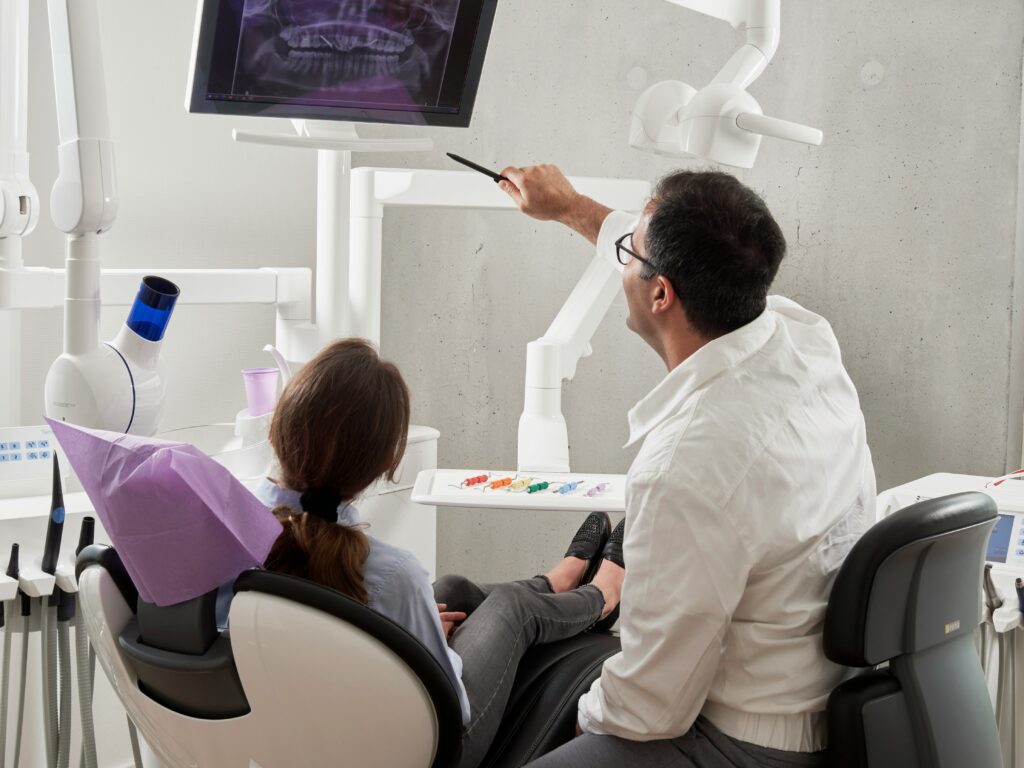
Modern Dentistry Technologies, dentist showing patient their x-rays

Explore Digital Solutions for Care

Many dental offices are implementing digital dentistry platforms that simplify appointment scheduling. The approach allows patients to enjoy faster and more precise care by harnessing advanced imaging systems and digital record management, ensuring a smoother experience during visits. Patients can conveniently access their treatment history, communicate with their dentist, and stay up to date with upcoming appointments, eliminating unnecessary delays.

The practice integrates online tools that offer clear communication channels and enable easy access to important treatment updates. This method supports care by reducing wait times and offering practical insights into treatment progress, helping patients make informed decisions about their dental health. Digital documentation also enhances accuracy, ensuring that every step of the patient’s journey is carefully recorded and reviewed.

Manage Your Appointments With User-Friendly Platforms

Many dental offices use streamlined platforms that allow patients to schedule appointments quickly. The user-friendly design ensures that accessing modern dentistry technologies is simple, reducing stress and keeping appointments on track. Patients can easily book, modify, or cancel appointments through an intuitive online system, reducing the need for phone calls and long wait times.

These systems feature clear interfaces and reliable reminders that help patients stay engaged with their dental health. This approach supports overall well-being by making it easy to manage dental care routines and maintain consistent check-ups. Automatic reminders and notifications keep patients informed about upcoming visits, recommended treatments, and oral care tips, ensuring they remain proactive about their dental health.

Leverage Advanced Imaging for Accurate Diagnoses

Advanced imaging technology at Central Davis Dental significantly improves the accuracy of dental diagnoses. These modern dentistry technologies allow skilled practitioners to obtain detailed visuals of teeth and surrounding structures, ensuring that issues are identified early and treated effectively. The system provides clear images that help guide treatment decisions, offering patients more confidence in their care and reducing the likelihood of complications.

The imaging system streamlines the diagnostic process at Central Davis Dental, reducing the need for multiple visits and unnecessary procedures. With precise visuals supporting each diagnosis, dental professionals can design personalized plans that directly address patient concerns and improve overall well-being. The clear, detailed images offer a practical solution to common dental challenges while supporting consistent treatment progress. Digital imaging also reduces exposure to radiation compared to traditional X-rays, providing a safer diagnostic approach for patients.

Learn About Safety Protocols in Technological Care

Central Davis Dental implements strict safety protocols to ensure that every advancement in modern dentistry technologies offers a secure environment for patients. The dental team uses advanced sanitization techniques and digital systems to track instrument sterilization and treatment procedures, providing patients with peace of mind during their visits. Every tool and piece of equipment undergoes rigorous cleaning and sterilization processes to meet the highest safety standards.

Central Davis Dental maintains rigorous practices in technological care by employing state-of-the-art digital imaging and treatment equipment. Professionals at the clinic monitor and update safety measures regularly, ensuring that each appointment is conducted with precision and care for patient well-being. Patients can feel reassured that their health and safety are top priorities, allowing them to focus on achieving optimal oral health.

Stay Updated on Developments at Central Davis Dental

Central Davis Dental consistently adopts new dental technologies to improve patient experience and overall health outcomes. The practice regularly updates its digital systems, ensuring that patients benefit from timely access to expert advice and care. This commitment to progress means that patients stay informed about the latest modern dentistry technologies that support a well-maintained smile and general well-being.

Advanced imaging techniques and streamlined appointment platforms form the backbone of Central Davis Dental’s service updates. Experts at the clinic continuously review and adopt modern equipment to deliver accurate diagnoses and clear treatment strategies. Patients receive transparent information about these advancements, which helps them make well-informed decisions for maintaining strong dental health and enhancing overall quality of life. Regular educational initiatives ensure that patients understand how new technology contributes to better oral care.

Engage With Central Davis Dental for Community Well-being Initiatives

Central Davis Dental encourages community involvement through local health awareness programs and outreach efforts. Residents can contribute to educational workshops, join events with health experts, and stay informed on community health resources. These initiatives help build relationships within local networks, supporting overall well-being with practical and impactful care.

Participate in Local Health Awareness Programs

Local health awareness programs offer community members the chance to learn about essential dental habits and overall wellness strategies. The events present clear, actionable tips, demonstrating a commitment to public health that makes it easy for local residents to maintain their dental and general health.

Through these programs, participants receive practical guidance derived from years of experience in community health. The initiatives create a welcoming space for individuals to gain insights into preventive measures and practical routines, ensuring that community members feel supported and informed.

Conclusion

Central Davis Dental connects consistent oral care routines with improvements in overall physical and mental health. The clinic emphasizes routine appointments and personalized treatment plans that prevent complications and maintain strong dental health. Their modern dentistry technologies and community outreach efforts further support long-term well-being and trust. Patients gain practical insights that not only improve their smiles but also enhance their overall quality of life. By combining modern dentistry technologies with a patient-centered approach, Central Davis Dental ensures that every visit is a step toward better health and confidence.

Filed Under: Dental

Maintaining good oral health is important, but for many, the cost of dental care can be a difficult barrier. Finding a “dental clinic near me” that you can trust and feel comfortable with can be difficult, but look no further. If you’re near Layton, Utah, and searching for an affordable dental clinic near me, Central Davis Dental offers a range of options to accommodate various financial situations. Let’s explore common concerns and solutions related to getting cost-effective dental care.

Dental Clinic Near Me

What Can I Do If I Have a Bad Tooth with No Money?

Experiencing dental pain without the means to pay for treatment can be distressing. There are several steps you can take. At Central Davis Dental, we accept a large range of insurances and we offer an in-house membership plan. You can contact our office and we would be happy to answer all of your questions.

What Can I Do If I Can’t Afford Dental Treatment?

If dental expenses are beyond your current means, there are ways to make treatment more affordable. Inquiring about financing options can be beneficial, as many dental offices, including Central Davis Dental, accept third-party financing plans like CareCredit, allowing you to spread the cost over manageable monthly payments. CareCredit is happily accepted at our office. Using dental insurance effectively is another option. If you have insurance, using your benefits can significantly reduce out-of-pocket expenses. Central Davis Dental accepts a wide range of insurance providers. Additionally, like mentioned in the previous section, Central Davis Dental offers an in-house membership to help cover the expenses of cleaning and treatment.

Is a Dental Clinic the Same as a Dentist?

While both provide dental care, there are distinctions between a dental clinic and a dentist’s office. Dental clinics are often larger facilities that may house multiple dentists and offer a wide range of services under one roof. They likely provide extended hours and have more resources for specialized treatments. Dentist offices, on the other hand, are typically smaller, private practices focusing on personalized care from one or a few dentists. Central Davis Dental combines the benefits of both, offering across-the-board services with a personal touch.

What Is the Most Inexpensive Way to Fix Messed Up Teeth?

The most affordable solutions for dental issues depend on the specific problem. Preventive care, such as regular check-ups and cleanings, can help you avoid more severe and costly issues. For cavities, dental fillings provide a relatively inexpensive and common solution. If you have chipped or cracked teeth, dental bonding is great way to restore them, as it is generally more affordable than veneers or crowns. Discussing financing options with your dental provider can also make treatments more affordable.

What Is the Advantage of a Dental Clinic?

Dental clinics offer several benefits. Clinics like Central Davis Dental provide a wide array of services, from preventive care to cosmetic dentistry, all in one location. Having multiple professionals on staff allows clinics to offer diverse expertise and collaborative care. At Central Davis Dental, Kyle K. Harmon, DDS, and Dayana Arreola, DDS, care deeply for all their patients and are experts in the dental field.

Many clinics also provide flexible scheduling, including extended hours to accommodate different needs. Additionally, clinics often invest in the latest dental technologies, which enhance the quality and efficiency of care. Choosing a dental clinic like Central Davis Dental ensures access to comprehensive, high-quality care tailored to your needs.

How to Find an Affordable Dental Clinic Near Me?

Finding a good dental clinic near me that fits your needs can be difficult. You can call our office during any of our operating hours and find out more information. We are happy to answer your questions so you can know if we are going to be a good fit for you, your family and your friends.

An affordable dental clinic near me is attainable with the right resources and proactive communication. Central Davis Dental in Layton, Utah, is committed to providing accessible and comprehensive dental services to the community. Contact us today with your questions about our financial services. You can stop searching “affordable dental clinic near me” because you found it!

Filed Under: Dental, Uncategorized Tagged With: affordable, dental clinic near me, Layton, Utah

Dental crowns are a common solution for restoring damaged or decayed teeth, offering a long-lasting and aesthetically pleasing option for those with broken or weakened teeth. Many people are concerned about whether crowns can contribute to bad breath. Let’s explore whether crowns can cause bad breath and what you can do to prevent it!

What Is a Dental Crown?

A dental crown is a cap that covers a damaged tooth to restore its shape, size, and function. Crowns can be made from various materials, including porcelain, metal, or a combination of both. They are typically used after a root canal treatment, to cover a large cavity, or to strengthen a tooth that has been significantly worn down.

While crowns are designed to last for years, it’s important to note that the way they interact with the surrounding tissues can affect your oral hygiene. Like any dental restoration, crowns need to be properly cared for to prevent complications such as infections, gum disease, or bad breath.

Bad Breath

Can Crowns Cause Bad Breath?

Bad breath is often caused by bacteria in the mouth. The bacteria thrive in areas where food particles and plaque are. Crowns do not directly cause bad breath, but poor oral hygiene around a crown can contribute to unpleasant odors.

There are a few ways crowns can indirectly cause bad breath:

  1. Plaque and Bacteria Build-Up: If the crown is not properly cleaned, plaque can build up around the edges, especially if the fit of the crown is not perfect. Plaque is made up of bacteria, food particles, and saliva, and when bacteria break down food debris, they release sulfur compounds that can cause bad breath. Over time, this build-up can result in gingivitis (gum inflammation) or periodontal disease, both of which are common causes of bad breath.
  2. Gum Infection: If the crown doesn’t fit properly or if there is decay underneath the crown, it can create spaces where bacteria can accumulate, leading to gum infection or inflammation. This infection can contribute to bad breath, especially if it’s left untreated.
  3. Decay Underneath the Crown: In rare cases, a crown might become loose or crack, allowing bacteria to infiltrate the tooth underneath. If a cavity forms under the crown, it can create a breeding ground for bacteria, which will lead to foul-smelling breath. This is why regular dental checkups are essential to ensure that your crown and underlying tooth remain in good condition.
  4. Food Traps: Crowns, especially those with large gaps or uneven edges, can create spaces that trap food particles. These particles can ferment in the mouth, leading to the production of bad-smelling compounds. These trapped particles are often difficult to remove with brushing alone, which can result in persistent bad breath.

Preventing Bad Breath with Crowns

The good news is that bad breath caused by crowns is preventable. By maintaining good oral hygiene practices, you can significantly reduce the risk of bad breath and other dental issues associated with crowns. Here are some tips for keeping your breath fresh and your crowns in good shape:

  1. Brush and Floss Regularly: Brush your teeth at least twice a day with fluoride toothpaste, paying special attention to the area around the crown. Flossing once a day helps remove food particles and plaque from between your teeth and around the crown that your toothbrush may miss.
  2. Use Interdental Brushes or Water Flossers: If traditional flossing is difficult around your crown, try using interdental brushes or a water flosser. These tools can help clean areas that are hard to reach and reduce the chances of plaque buildup.
  3. Regular Dental Checkups: Visit your dentist regularly to check the condition of your crown and ensure there are no signs of decay or gum infection. If your crown feels loose or uncomfortable, let your dentist know right away.
  4. Stay Hydrated: Dry mouth is another common cause of bad breath. Drinking plenty of water throughout the day can help keep your mouth moist and wash away food particles and bacteria.
  5. Avoid Strong-Smelling Foods: Foods like garlic, onions, and coffee can contribute to bad breath, regardless of whether you have a crown. Limiting your intake of these foods can help keep your breath fresh.

Conclusion

Dental crowns do not directly cause bad breath, but poor oral hygiene and related issues like plaque buildup, gum infection, or decay underneath the crown can contribute to foul-smelling breath. By taking care of your crowns with regular brushing, flossing, and dental visits, you can prevent bad breath and ensure your crowns continue to serve their purpose for years to come. If you’re experiencing persistent bad breath, it’s always a good idea to consult with Dr. Kyle Harmon to rule out any underlying problems.

Filed Under: Dental

Maintaining oral health is crucial for overall well-being, and fluoride toothpaste is one of the simplest yet most effective tools in your dental care toolbox. But what makes fluoride toothpaste beneficial, and why do dentists consistently recommend its use? In this blog, we’ll explore the key advantages of fluoride toothpaste and understand why it’s a staple in dental hygiene routines.

What is Fluoride Toothpaste?

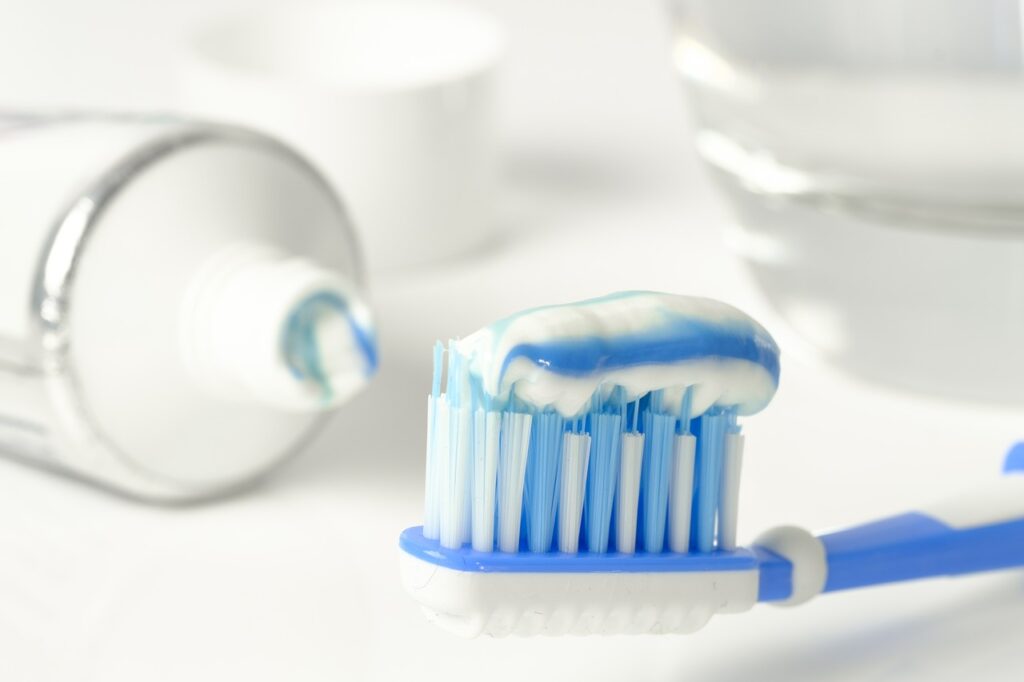
Fluoride toothpaste contains fluoride, a natural mineral known for its protective properties. Fluoride strengthens a tooth’s enamel, making it resistant to decay. It’s usually a top and essential ingredient in toothpaste because it fights against the harmful bacteria and acids that lead to cavities and overall dental issues.

Key Benefits

  1. Strengthens Enamel: One of the top benefits of fluoridated toothpaste is that it can rebuild the tooth enamel. Enamel is the outer layer of the tooth and can be eroded by acids produced by the bacteria in your mouth. Fluoride will remineralize the enamel. It can reverse early damage and protect teeth against future decay.
  2. Prevents Cavities: Cavities are common issues caused by demineralization, which is the loss of bodily minerals, of tooth enamel. Fluoride helps prevent cavities by neutralizing the acids and promoting the repair of weakened enamel. Fluoride can lower the risk of cavities by up to 25% in adults and children.
  3. Reduces Tooth Sensitivity: If you experience tooth sensitivity, fluoride toothpaste can make all the difference. It will help build up and strengthen the enamel and reduce the exposure of the dentin. This is important because the dentin can be sensitive to hot, cold, or sweet foods and drinks. Regular use of fluoride can alleviate that discomfort and protect sensitive teeth.
  4. Fights Gum Disease: Gum disease, or periodontal disease, starts with gingivitis and can progress into more serious forms if not taken care of. Gum health can be improved by using fluoride because it reduces the plaque buildup which plays a big factor in gum disease. While fluoride isn’t a cure, it does prevent and help in overall oral hygiene.
  5. Enhance Overall Health: Using fluoride not only protects against cavities and sensitivity but also contributes to overall oral health. When bacteria and acids are reduced, fluoride toothpaste creates a balanced oral environment.

Why Dentists Recommend Fluoride Toothpaste

  1. Proven Efficacy: Dentists do recommend fluoride toothpaste because the benefits are well-documented by extensive research. Studies have shown time and time again that fluoride toothpaste reduces the incidence of cavities and strengthens tooth enamel.
  2. Cost-Effective Prevention: Preventing dental problems with fluoride toothpaste is more cost-effective than treating the problems later. By investing in fluoride toothpaste and maintaining a good oral hygiene routine, costly dental procedures can be avoided and keep their teeth and gums healthy.
  3. Educational Standard: Dentists are trained to provide evidence-based care, and fluoride toothpaste is a fundamental part of that standard. Fluoride toothpaste aligns with best practices in preventative dentistry, ensuring that patients receive the most effective care to protect their oral health.
  4. Tailored Recommendations: Dentists often tailor their recommendations based on individual patient needs. Fluoridated toothpaste can be especially beneficial for patients with a higher risk of cavities, those with sensitivity issues, or children who need extra protection. Dentists can provide personalized advice on fluoride use, ensuring it aligns with each patient’s needs.

Fluoride toothpaste is more than just a dental care product; it’s a cornerstone of effective oral hygiene. It can create strong enamel, prevent cavities and contribute to overall oral health. It becomes a crucial part of one’s daily dental care routine. By understanding and utilizing the benefits of fluoride toothpaste, you can maintain a healthier, brighter smile and enjoy long-term oral health.

Schedule your cleaning appointment today and get your fluoride applied! Contact us at (801)544-9777

Filed Under: Dental

Why your mouth is dry and what is dry mouth?

Dry mouth, also known as xerostomia, is a condition that can significantly affect quality of life. Dry mouth occurs when not enough saliva is being produced which eventually leads to discomfort. Saliva is important to produce because it is essential for digestion, speaking, maintaining oral health, breaking down food, neutralizing acids and washing away food particles and bacteria. If you’ve ever experienced that parched feeling in your mouth, you’re not alone.

Dry mouth is very common and this photo can certainly make you feel this type of way when dry mouth is present.

Common reasons why your mouth is dry

  1. Medications: Many prescriptions and over-the-counter medications have dry mouth as a side effect. Common culprits of the side effects are antihistamines, pain killers and anti-depressants.
  2. Medical Conditions: Certain health conditions, such as diabetes, Sjogren’s syndrome and Parkinson’s disease, can affect saliva production. Additionally, undergoing chemotherapy or radiation therapy for cancer can damage the salivary gland, leading to dry mouth.
  3. Dehydration: Not drinking enough fluids can lead to dehydration, which in turn can cause dry mouth. If you ask yourself why your mouth is dry, try drinking some water first.
  4. Lifestyle Factors: Smoking or chewing tobacco can reduce saliva flow and worsen dry mouth. Alcohol consumption can also contribute to the problem, as it is a dehydrating effect.
  5. Breathing through the mouth: Conditions that cause nasal congestion may force people to breathe through their mouth, which can dry out the oral tissues. This could be a leading common factor as to why your mouth is dry.

Effects of Dry Mouth

  1. Dental Issues: Saliva is essential to dental health and a lack of it can lead to a higher risk of cavities, gum disease and bad breath. Saliva does help to neutralize acids and remove acid and remove food particles. So the absence of saliva can increase the risk of tooth decay.
  2. Difficulty Swallowing: Saliva plays a role in lubricating food which makes it easier to swallow. Without enough saliva, you may experience difficulty swallowing and even lead to choking.
  3. Altered Taste: Dry mouth can affect your sense of taste, making food seem bland or unpleasant.
  4. Sore Throat or Hoarseness: A dry mouth can lead to a sore throat and hoarseness, as the throat and vocal cords may become dry and irritated.
  5. Oral Infections: Reduced saliva flow can make your mouth more susceptible to infections, including oral yeast infections.

7 things to do when your mouth is dry

If you are dealing with dry mouth, there are several strategies you can try to alleviate the symptoms:

  1. Stay Hydrated: Drinking plenty of water throughout the day is important. Sipping water regularly can help keep a mouth that is dry, moist.
  2. Use Saliva Substitutes: Over-the-counter saliva substitutes and mouth moisturizers can provide temporary relief. These can come in various forms like, mouth sprays, gels and lozenges.
  3. Chew Sugar-Free Gum or Suck on Sugar-Free Candies: These can stimulate saliva production and help keep your mouth moist.
  4. Avoid Dehydrating Substances: Limit your intake of caffeine and alcohol, as they can contribute to dehydration. Avoid smoking and chewing tobacco as that will help as well when the mouth is dry.
  5. Practice Good Oral Hygiene: Brush your teeth with fluoride toothpaste and floss daily. This does include a water flosser too. Attend your regular dental check ups as they are important to monitor and manage any oral health issues.
  6. Use a Humidifier: Adding moisture to the air in your home can help prevent your mouth from drying out, especially during the winter months or in dry climates.
  7. Consult your Healthcare Provider: If dry mouth continues, it’s important to consult with your dentist or doctor. They can help identify the underlying causes and recommend appropriate treatments or making adjustments to your medications.

Dry mouth is a common issue, but it doesn’t have to be a permanent issue. Understanding the causes and effects can help you take proactive steps to manage the condition and maintain your overall and oral health. By staying hydrated, using saliva substitutes, and practicing good oral hygiene, you can find relief when your mouth is dry and improve the quality of your life.

If you’re struggling with persistent dry mouth, reach out and get professional advice. A healthcare provider can offer personalized recommendations to help you manage the condition effectively.

Filed Under: Dental

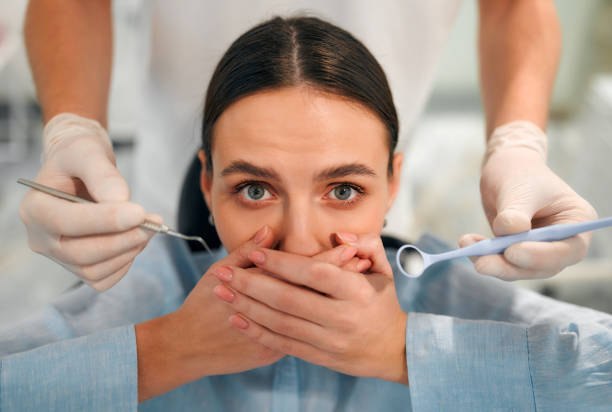
What is dental anxiety? Over the last decade, we have seen an increase in the number of patients struggling with dental anxiety. We realize the dental office can often be a scary place for so many people no matter their age. Many adults have dental trauma or dental anxiety from practices that were performed back in the day. New children attending the dentist are scared of the new surroundings, people, and scary looking tools trying to be shoved into their mouths. 

Dental anxiety is the fear or stress that people experience when they have to think about going to the dental offices. 

Below are some tips to overcome dental anxiety so you can attend your next appointment with ease! 

9 Tips for Overcoming Dental Anxiety: 

1. Choose a Gentle Dentist: Finding a dentist who is experienced in treating patients with dental anxiety can make a big difference in your visit. 

2. Bring a Support Person: Bring a family member or a trusted friend that can provide the emotional support that you need. They can also be there to help distract you. 

3. Distraction Techniques: During your appointment, listen to music or focus on a spot on the ceiling. If a dental office has a tv to watch, take advantage. 

4. Start Small: It may be good to simply go in for your regular cleaning check-ups and then you can work up to your bigger maybe more extensive treatments if needed when you are more comfortable in the environment. 

5. Communication is key: Communicate with your dentist your fears and concerns. Let them know that you have previous trauma or current anxiety. Your dentist understanding your needs and letting you know exactly what is going to happen will reduce any stress. 

6. Relaxation Techniques: Before going to your appointment, try a few relaxation techniques like meditating, taking deep breaths, relaxing your muscles. Doing these few things can calm your mind and body which will reduce your anxiety. 

7. Focus on the benefits: Educate yourself on the effects of not going to the dentist can have on your overall health. This can save you money, time, and discomfort in the future. 

8. Reward Yourself: You read this right, reward yourself! You probably did a really hard thing and you deserve a little treat. This gives you something to look forward to after your appointment and will encourage you to make it to your next one. 

9. Central Davis Comfort Menu: Central Davis Dental has a comfort menu for every patient. This menu offers a blanket, headphones, virtual headset etc. that will help you be comfortable at all appointments. 

Overcoming your dental anxiety is possible if you have the right techniques. Remember, your dentist is there to help you feel comfortable and provide the care you need. Take control of your dental anxiety today and take steps towards a healthier smile!

Filed Under: Dental

Pediatric dental care layton, Utah

Building healthy oral habits in childhood is one of the most effective ways to protect long-term health. According to 2025 data from the Centers for Disease Control and Prevention, nearly 46 percent of children ages 2 to 11 have experienced at least one cavity, and early childhood caries remains the most common chronic disease in U.S. children. Strong pediatric dental care habits help reduce these risks significantly and support confident smiles as kids grow.

If you are unsure about where to begin or whether your child is on track, start by asking yourself a few simple questions:

  • Has my child been to see a dentist?
  • Does my child know how to brush and floss properly?
  • Does my child have a tooth-friendly diet?
  • Is my child at risk for dental issues due to current habits, such as thumb sucking or frequent bottle use?

To help you navigate pediatric dental care effectively, the guide below uses these questions to outline the essential do’s and don’ts every parent should know.

DO Take Your Child to the Dentist Early

The American Academy of Pediatrics recommends scheduling a child’s first dental visit by their first birthday or within six months of the first tooth erupting. This early start is critical. Even with only a few teeth, your child is susceptible to decay, and early visits help normalize the dental environment.

Why Early Visits Matter

  • Children who see a dentist by age 1 have 33 percent lower dental costs over time due to preventive care.
  • Early visits help reduce dental anxiety by making the environment familiar.
  • Parents receive personalized guidance on brushing, fluoride use, teething, and feeding habits.

What to Expect

Plan to schedule appointments every six months starting around age 1 to 2. Between ages 4 and 6, most children will have their first set of dental x-rays. Fluoride treatments are typically covered by insurance and are strongly recommended at each visit to strengthen enamel.

By age 5 or 6, when the first permanent molars erupt, discuss dental sealants with your dentist. Sealants reduce cavity risk in molars by up to 80 percent. Around age 8, an orthodontic evaluation is recommended to monitor jaw development and identify any early alignment issues.

DON’T Reinforce Fears

Many parents worry about how their child will behave at the dentist, but pediatric dental care professionals are trained to work with children of all temperaments.

Tips to Avoid Fear-Based Behaviors

  • Avoid negative language such as “It won’t hurt.”
  • Talk openly about what will happen at the appointment.
  • Praise positive behavior and offer reassurance.
  • Allow your child to ask questions or explore tools in a supervised way at the appointment.

Dentists often use techniques such as “tell-show-do,” chair rides, child-friendly explanations, and behavior modeling. These strategies help children understand that the dental office is a safe and supportive place.

DO Teach Good Habits Early

Healthy dental habits begin long before the first tooth arrives. Infants benefit from daily gum cleaning with a soft cloth or fingertip brush. This routine keeps the mouth clean and helps your child become comfortable with oral hygiene.

Age by Age Care Guidelines

AgePediatric Dental Care Recommendation
0 to 6 monthsWipe gums daily with a clean cloth
6 to 12 monthsIntroduce sippy cup; continue gum care
First toothStart brushing with a smear of fluoride toothpaste
2 to 6 yearsBrush twice daily with supervision; introduce flossing
6+ yearsEncourage independent brushing and flossing with oversight

Toothpaste and Fluoride Facts

Parents often worry about fluoride, but research continues to show that small, age-appropriate amounts significantly reduce decay risk. In 2025, the ADA reaffirmed that fluoride toothpaste remains one of the most effective preventive tools for children.

Use only a smear of toothpaste for infants and a pea-sized amount for children age 3 and older. Begin flossing as soon as any two teeth touch, since many early childhood cavities form between teeth.

DON’T Create Unhealthy Eating Habits

Many foods marketed toward children are surprisingly harmful to their teeth. While candy and sugary drinks are common culprits, certain snacks that appear healthy can have similar effects.

Foods That Can Harm Teeth

  • Popcorn and unpopped kernels
  • Ice
  • Sticky or chewy foods including dried fruit
  • Highly acidic foods like citrus
  • Starchy snacks such as crackers, chips, and white bread
  • Juice, sports drinks, and flavored beverages

These foods either damage enamel directly or break down into sugars that feed cavity-causing bacteria. The 2024 National Health Nutrition Examination Survey reported that children who consume sugary drinks daily have a 60 percent higher likelihood of developing cavities.

Better Alternatives

Choose:

  • Fresh fruits
  • Vegetables
  • Yogurt
  • Cheese
  • Whole grains
  • Lean protein
  • Water as the primary drink

If children do consume sugary or sticky foods, have them rinse with water or brush shortly afterward.

DO Avoid Pacifiers, Bottles, and Prolonged Thumb Sucking

These habits are normal in infancy but can cause long-term dental concerns if they continue for too long.

Impact of Prolonged Oral Habits

  • Altered jaw growth
  • Crooked teeth
  • Open bite development
  • Speech difficulties
  • Increased risk of early childhood decay from bottles used with milk or juice

The American Academy of Pediatric Dentistry recommends weaning from the bottle around age 1 and reducing pacifier use once your child begins talking. Introducing a sippy cup as early as 6 months can ease this transition.

DO Understand That Baby Teeth Are Important

There is a common misconception that baby teeth do not matter because they eventually fall out. This is incorrect. Baby teeth play vital roles in chewing, speech development, and maintaining space for the permanent teeth that follow.

Premature tooth loss due to decay can cause:

  • Pain and infections
  • Difficulty eating
  • Poor sleep
  • Misaligned permanent teeth
  • Higher dental costs later in life

At Central Davis Dental, we love helping kids build confident, healthy smiles from the very beginning. If you have questions, need guidance, or want to get your child started with the right pediatric dental care habits, our team is here to make every visit positive and stress free. Schedule a visit anytime and let us help your child enjoy a bright, healthy smile as they grow.

Pediatric Dental Care FAQ

How early should my child start using fluoride toothpaste?

Fluoride toothpaste can be used as soon as the first tooth erupts. Use only a smear for infants and a pea-sized amount starting at age 3.

When should my child begin flossing?

Begin flossing when two teeth touch. Early flossing reduces the risk of interproximal cavities, which are common in young children.

How often should my child visit the dentist?

Most children benefit from dental visits every six months beginning around age 1 or when the first tooth emerges.

Is juice harmful for dental health?

Yes. Even 100 percent fruit juice contains natural sugars that contribute to tooth decay. Water is the best everyday drink for children.

What are dental sealants and do children need them?

Sealants are thin, protective coatings applied to molars. They reduce cavity risk by up to 80 percent and are typically recommended when permanent molars appear around age 6 and again around age 12.

When should my child stop using a pacifier or thumb sucking?

Most dentists recommend weaning pacifiers by ages 2 to 3 and discouraging thumb sucking as early as possible to protect developing teeth.

Filed Under: Dental, Uncategorized Tagged With: pediatric dental

Services

  • Dental Implants
  • Single Tooth
  • All on 4 Dental Implants
  • Implants
  • Full Mouth Restoration
  • Bridges
  • Dentures
  • Teeth Whitening
  • Crowns
  • Veneers
  • Invisalign Treatment
  • Extractions
  • Root Canals

Follow Us

Contact Us

"*" indicates required fields

2025 Central Davis Dental | All Rights Reserved | Privacy Policy | Terms | XML Sitemap | Sitemap | Site by PDM